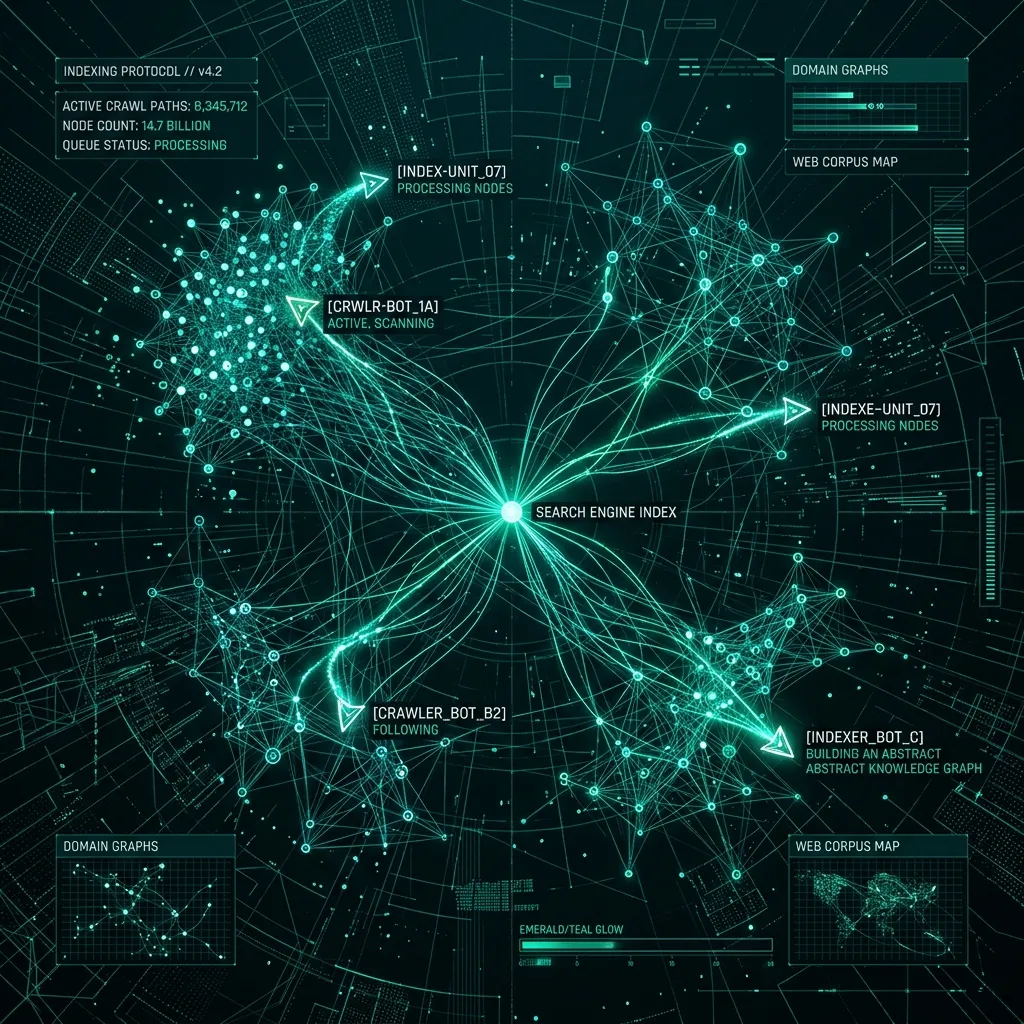
Many organizations view search engine optimization (SEO) as a post-launch writing exercise. In reality, modern organic growth is heavily determined by technical architecture and crawled structure.
If search engine bots spend their crawling budget on broken redirects, duplicate scripts, or non-indexable routes, they will fail to index your high-value pages. To scale organic traffic, you must build a clean, semantic technical setup that search bots can crawl with ease.
Optimizing Your Crawl Budget
Search engines allocate a finite amount of attention (crawling budget) to each site. To ensure this budget is focused on revenue-generating pages, we implement three critical configurations:
- Clean Sitemap Splits: Segmenting index urls into logical paths (e.g. main pages sitemap vs. blog posts sitemap) makes indexation monitoring straightforward.
- Canonical Declarations: Always define explicit canonical links to prevent index bloat caused by query parameters or trailing slashes.
- Robots.txt Controls: Block access to internal search pages, staging environments, or script folders using clear directive statements.
"If search bots cannot crawl your pages efficiently, your content strategy does not exist."
The Power of JSON-LD Schema Graphs
Search engines use structured data schemas to understand the context of your page and display visual rich snippets (like star ratings, review cards, or FAQs) in search results. Instead of spreading loose microdata tags throughout your HTML, use centralized JSON-LD blocks in your document head:
// central JSON-LD Article Schema
const schemaData = {
  "@context": "https://schema.org",
  "@type": "BlogPosting",
  "headline": "Scaling Organic Reach: A Technical SEO Blueprint",
  "datePublished": "2026-05-20",
  "author": {
    "@type": "Person",
    "name": "Admin"
  }
};
Page Speed as a Core SEO Ranking Signal
Google has explicitly stated that page performance is a ranking factor. Slow, unstable pages that score poorly on Core Web Vitals are systematically deprioritized. Improving load times through static generation and asset caching directly increases your search ranking potential, turning speed into a powerful customer acquisition tool.